Careful editing doesn’t just fix errors. It adds value and gives you confidence.
“With laser-guided focus on detail, incredible attention to consistency and a palpable love for the written word, this wonderful copyeditor cannot be recommended highly enough.”
About Argentum Editorial
WHO DO EDITORS WORK WITH?
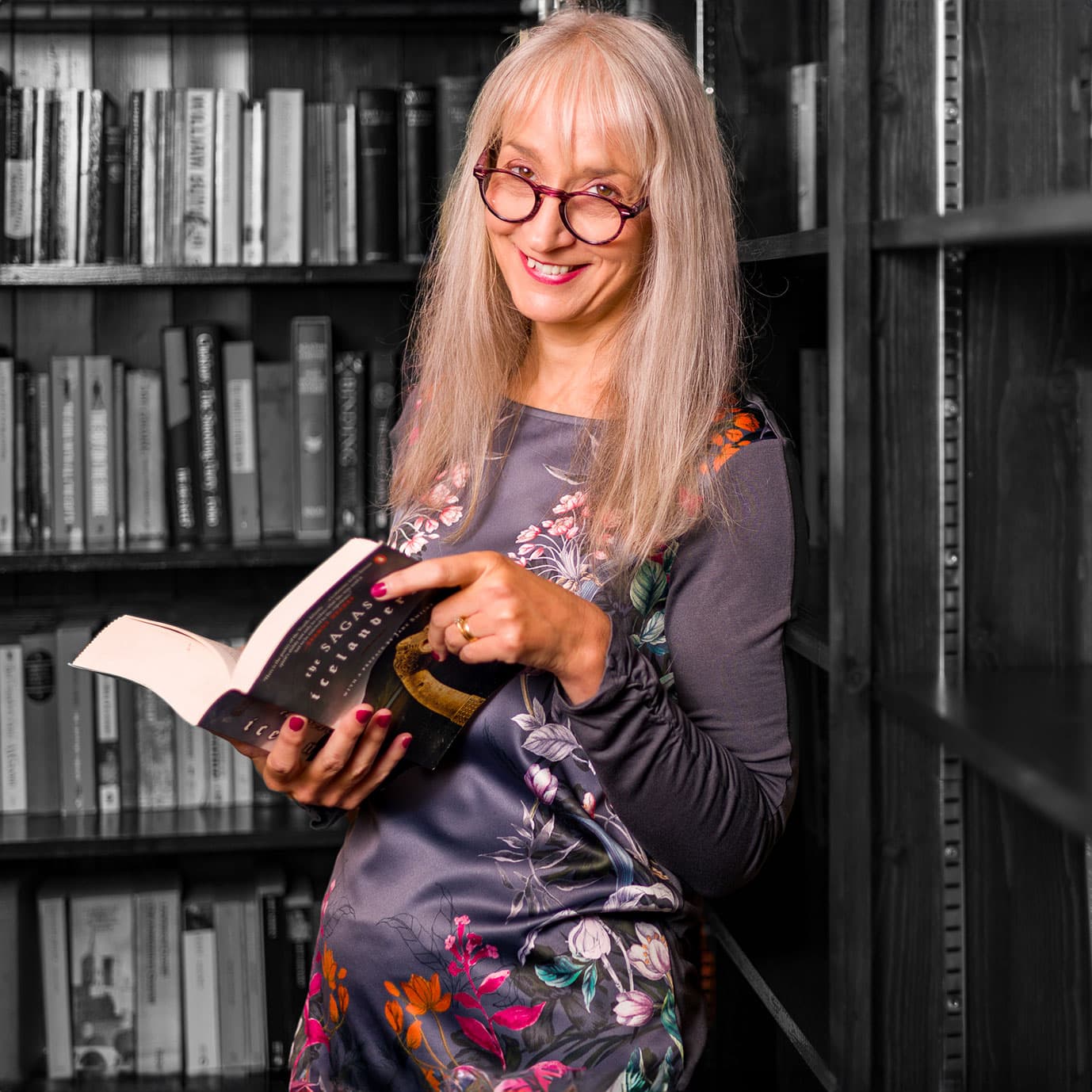
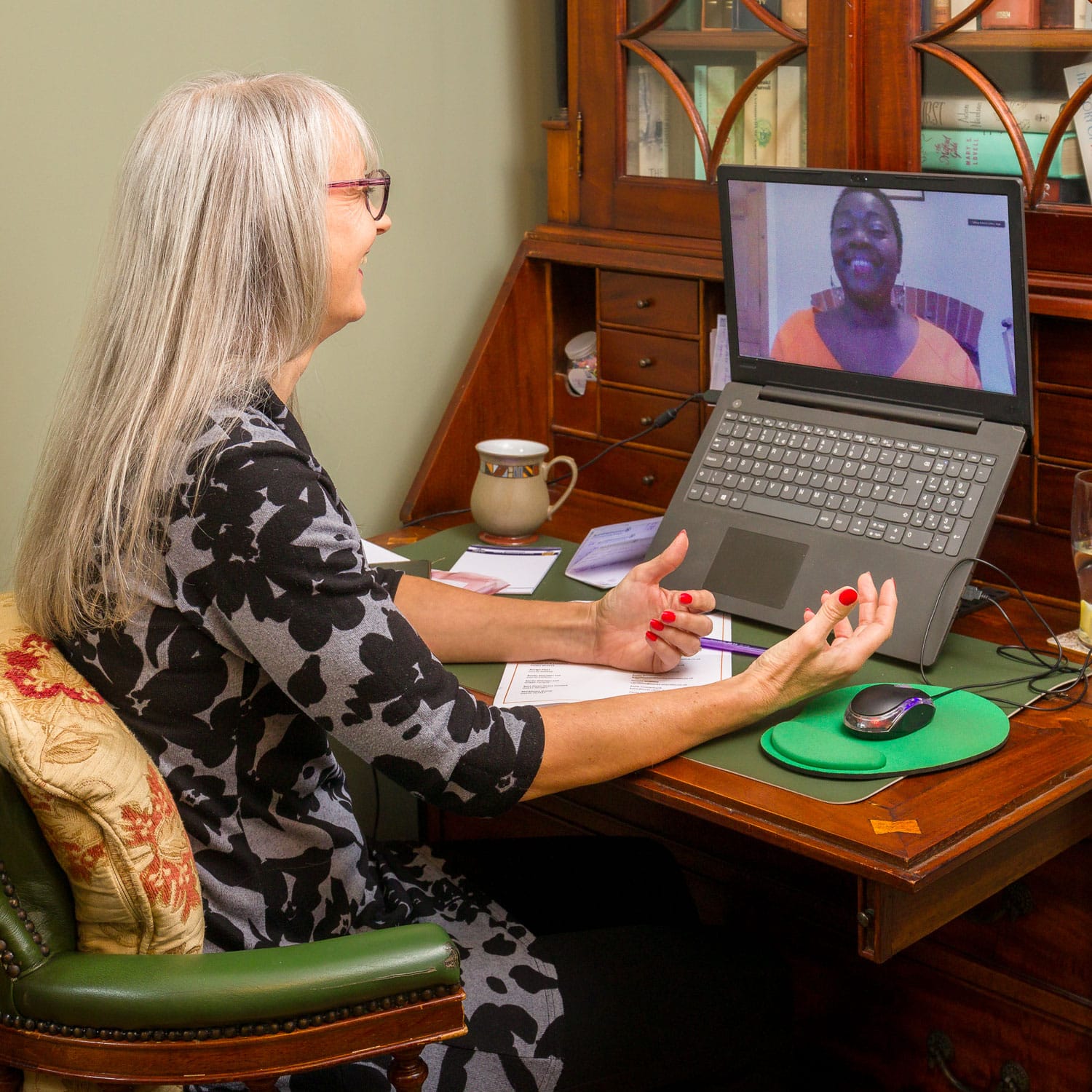
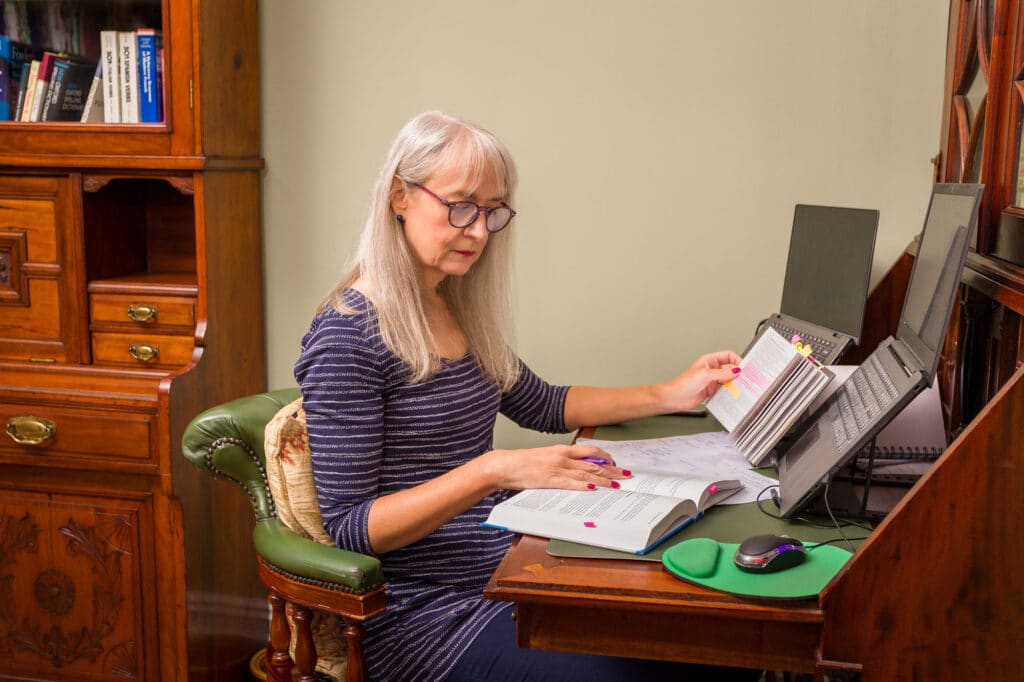
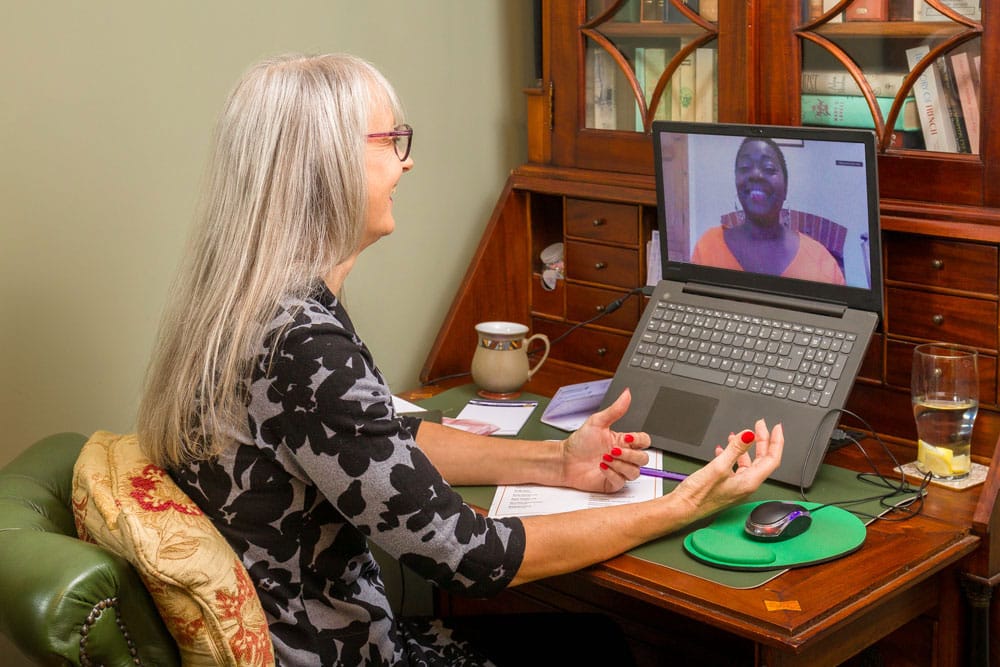
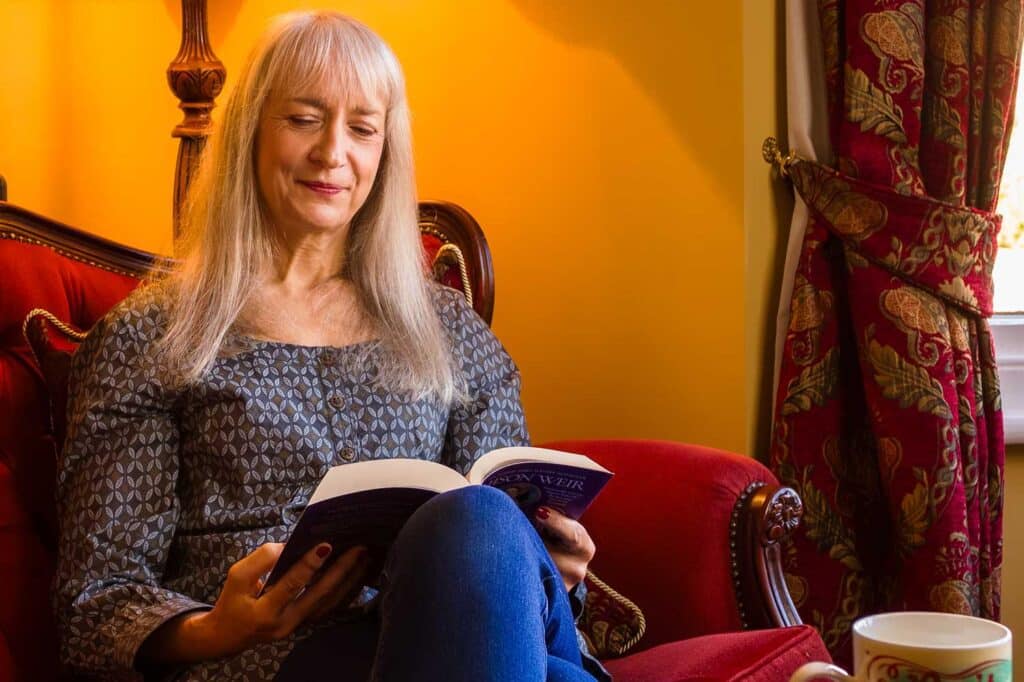
Hi, I’m Melanie. I am a CIEP-trained Proofreader and Editor.
I work with independent publishers, self-publishing authors, businesses, charities and organisations. People who need to put words out there or have stories to tell.
Most of my clients come to me with solid work and a desire to make it as good as it can possibly be. After a while, all your words start to look the same, don’t they? They might come to me with a book manuscript, a report, a website, or any piece of writing that represents them or their organisation.
My clients:
care about being taken seriously
don’t want to look sloppy or careless
have sometimes lived with their words too long
want reassurance, not judgement
want to share their work with confidence
If this sounds like you, you’re in the right place.
You’re right, there isn’t. Your editor isn’t there to make unnecessary or overly pedantic corrections. They’re there to watch your back.
Whatever stage your writing is at, the questions are the same.
Do readers understand what you mean? Is the information doing its job, or is it getting in the way? Are you saying the same thing in the same way, everywhere?
So many questions.
This is where clarity, communication and consistency matter most. Always with respect for the writer’s voice and intent.
I don’t use AI as part of my editorial process. This is careful, human work. It goes beyond what automated tools are designed to catch.
How that shows up depends on the service you choose and the level of editorial support you need.
I also work closely with a small number of trusted publishing professionals, so clients who want it can access more wraparound support.
PROOFREADING
Proofreading is the final check before your words go out into the world. The last stage before something is published, submitted or shared.
Whether it’s manuscripts, blogs, reports, proposals or other professional documents, clarity matters. When I proofread, I’m checking spelling, punctuation and grammar, as well as consistency of language, terminology and style.
Clients often talk about the relief of knowing their work has been checked properly.
Would readers notice a grammatical slip? Possibly not. But some readers will, and for them it could undermine trust.
If you’re aiming for your work to be an authoritative source, to enhance your standing in the field and open up further opportunities, you can’t afford to take chances at this stage.
A careful proofread gives you confidence that your work is ready for its readers, shows it in the best light, and reflects well on you, the author, or your organisation.
You might recognise this moment:
“I remember when I used to sit there, carefully combing through every page again and again. It took hours. And no matter how careful I was, I’d always miss something – small, no doubt. But enough to bug me. The first time I used a proofer, it was like I saw the light. I couldn’t believe I hadn’t been doing this before!”
Jen Ruthe – Content Writer
Curious about what proofreading could do for your work and your time?
People don’t always realise they need copyediting. And when they do, it can come with a few worries.
That I’m going to change their words. That I’m going to chop chunks out and make it shorter. That it won’t sound like them anymore.
I mean, that’s understandable. But that is not how I work.
Rule #1: Don’t forget it’s not my book. Rule #2: Respect the voice.
I work with fiction and non-fiction. When I copyedit, I’m looking at spelling, punctuation and grammar. I also pay close attention to fact-checking and readability. Everything – EVERYTHING – needs checking.
I might suggest that sentences within a paragraph could be moved around, or that paragraphs within a section might flow better in a different order.
I’m also looking at continuity. That includes transitions between scenes, consistent descriptions, and anything that might pull the reader out of the text or distract from it. Anything that doesn’t quite add up could confuse the reader or interrupt the flow. Those are the points I flag up to make sure the book works.
See? Now, just imagine the comfort of having somebody on the journey with you. A critical friend who wants you to be better, and who will hold you to account, but always in a supportive way.
“It genuinely felt like a partner coming alongside me, and helping me to polish my gem.”
At this stage, it may be the first time someone reads your book straight through. You don’t need corrections or edits. You need to know how it lands.
When I beta read, I read the book once as a reader. Afterwards, I send you a set of notes – a couple of pages focused on what worked well, what didn’t quite work, and what might be missing.
The value is in seeing your work through someone else’s eyes, before you decide what to do next.
Beta reading is particularly useful if you’re early in the process, or if you want a clear sense of how your book reads before moving on to editing.
It’s a simple way to pressure-test your work, get considered feedback, and strengthen your writing, with an experienced reader on your side
Melanie is very professional and put me at ease straight away when we spoke on the phone, explaining in simple terms, what she would do and reassuring me that everything would be OK! The end product was spot on!
When I designed my latest brochure I thought it was good. I wanted some comfort that I had not made any obvious errors. The good news was I hadn’t, but what Melanie does so well is pick up the nuances and small tweaks that just makes it read and flow better.
Would really recommend her services.